

The Complete Guide to International Bulk Commodities Trading in 2026
Introduction: The $150 Billion Global Commodities Market
The global bulk commodities market has evolved dramatically over the past five years, reaching an estimated value of $150 billion in 2026. As supply chains continue to adapt to geopolitical shifts, climate considerations, and technological advancements, understanding the fundamentals of international bulk commodities trading has never been more critical for procurement professionals and business leaders.
This comprehensive guide explores the key aspects of bulk commodities trading, from energy and fuels to agricultural products, industrial metals, and edible oils. Whether you’re a seasoned procurement manager or new to international trade, this article provides actionable insights to help you navigate the complex world of commodity sourcing in 2026.
What is Bulk Commodities Trading?
Bulk commodities trading refers to the large-scale buying and selling of raw materials and primary products in significant quantities. Unlike retail transactions, bulk trading typically involves minimum order quantities (MOQ) measured in metric tons, often requiring sophisticated logistics, international banking procedures, and strict compliance with quality certifications.
Key characteristics of bulk commodities trading include:
- High-volume transactions with MOQs typically ranging from 12,500 to 50,000 metric tons
- Complex international logistics involving multiple ports, customs procedures, and transportation modes
- Stringent quality control requirements and international certifications (GACC, HALAL, KOSHER, ISO)
- Formal documentation including Letters of Intent (LOI) and Certificates of Inspection and Survey (CIS)
- Professional banking procedures and secure payment terms to protect both buyers and sellers
Four Key Categories of Bulk Commodities
Understanding the major commodity categories is essential for strategic sourcing decisions. Each category has unique specifications, market dynamics, and procurement considerations.
1. Energy & Fuels
The energy sector remains one of the most critical commodity categories, with direct access to high-grade industrial energy solutions being paramount for global operations. Key products include:
- EN590 10PPM Diesel: Ultra-low sulfur diesel meeting European standards, widely used in transportation and industrial applications
- JET A-1 Aviation Fuel: High-quality aviation turbine fuel meeting strict IATA and international safety standards
- Industrial Grade Petroleum Products: Various refined petroleum products for manufacturing and energy generation
Energy commodities require meticulous logistics management, from refinery to final destination, ensuring strict adherence to international safety and quality standards. Successful energy procurement demands established relationships with certified refineries and experienced logistics partners.
2. Agricultural Commodities
Agricultural products form the backbone of global food security and industrial processing. The market for premium agricultural commodities continues to grow as quality standards become increasingly stringent:
- Refined Cane Sugar (ICUMSA 45): Premium white sugar meeting international standards for food processing and consumption
- High-Grade Wheat Flour: Milled from certified wheat with consistent protein content and baking properties
- Premium Rice Varieties: Long-grain, medium-grain, and specialty rice meeting specific quality grades
- Specialty Grains: Yellow corn, soya beans, and other grains for food and feed applications
All agricultural products must be sourced from certified producers with GACC, HALAL, and KOSHER certifications where applicable. This ensures food security, ethical sourcing, and compliance with importing country regulations. Supply chain transparency is critical, with full traceability from farm to port.
3. Industrial Metals
The industrial metals sector provides essential raw materials for manufacturing, construction, and technology industries. Reliable procurement of high-purity metals is crucial for production continuity:
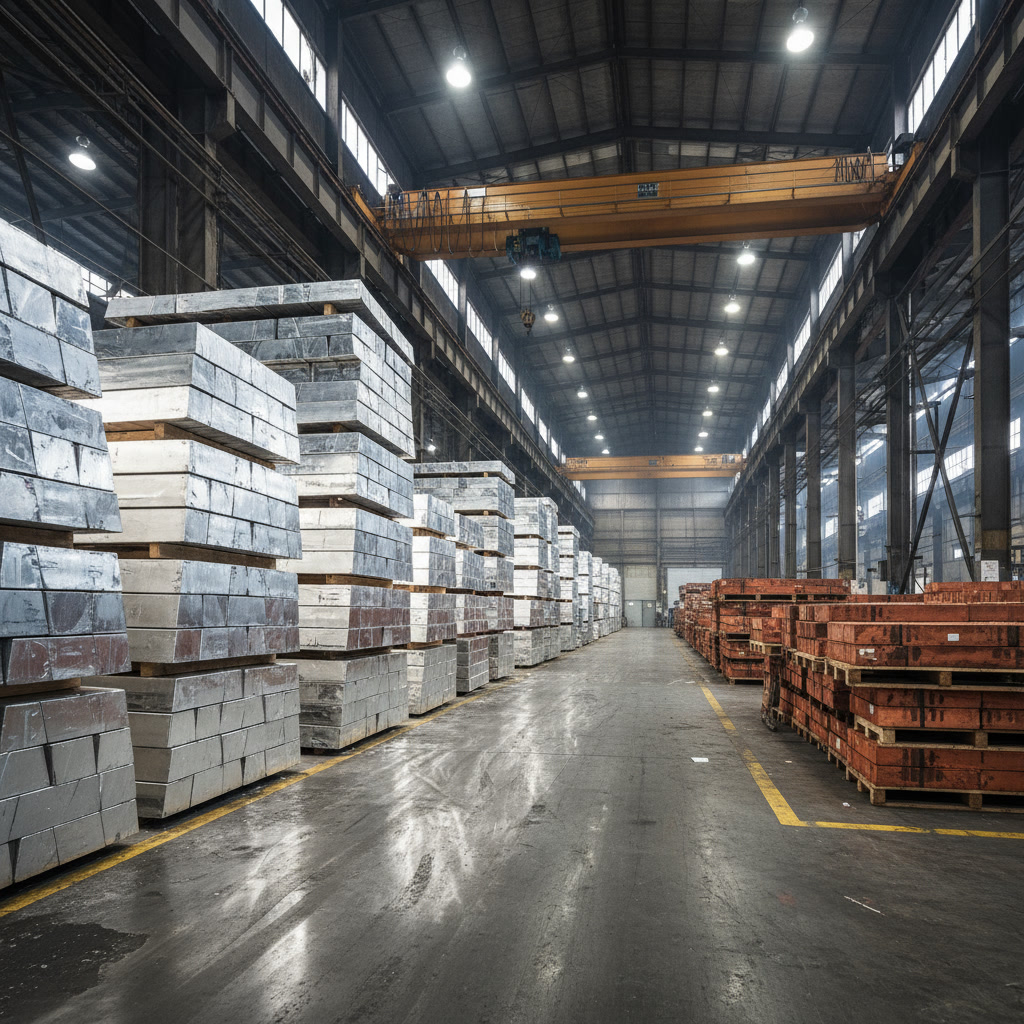
- Aluminum Ingots: Primary aluminum with 99.7% purity, widely used in aerospace, automotive, and construction
- Copper Cathodes: High-purity copper (99.99%) essential for electrical wiring, electronics, and renewable energy infrastructure
Metal trading typically involves substantial MOQs (commonly 12,500 MT or more) and can be structured as SPOT contracts for immediate delivery or long-term agreements for price stability. Professional trading standards and verified international banking procedures ensure secure transactions. Quality verification through independent testing laboratories is standard practice.
4. Bulk Oils & Grains
Edible oils and grains represent a significant segment of the commodities market, with applications ranging from food production to industrial processing:
- Sunflower Oil: Refined and crude varieties for cooking and industrial applications
- Palm Oil: Sustainably sourced palm oil for food processing and cosmetics
- Soya Bean Oil: Versatile oil for food service and industrial use
- Yellow Corn: Feed-grade and food-grade corn for livestock and industrial processing
- Soya Beans: Whole beans for crushing, feed, and food applications
Large-scale distribution of oils and grains requires streamlined logistics to ensure efficient delivery from production facilities directly to designated warehouses. Temperature-controlled transportation, proper storage facilities, and rapid turnaround times are essential to maintaining product quality and freshness.
Why 2026 is Critical for Commodities Trading
The commodities landscape in 2026 is shaped by several converging factors that make strategic sourcing more important than ever:
Geopolitical Shifts and Supply Chain Diversification
Recent geopolitical developments have prompted companies worldwide to diversify their supplier base. Dependence on single-source suppliers or specific geographic regions has proven risky. Smart procurement strategies now emphasize multi-origin sourcing, with suppliers in the Asia-Pacific region, Middle East, Africa, and Americas.
Companies that established diversified supply networks in 2024-2025 have demonstrated greater resilience during market volatility. The ability to pivot between suppliers and transportation routes has become a competitive advantage.
Rising Quality Standards and Certifications
International buyers increasingly demand comprehensive certifications beyond basic quality specifications. GACC certification for Chinese markets, HALAL and KOSHER certifications for food products, and ISO standards for manufacturing inputs have become non-negotiable requirements.
Working with suppliers who maintain current certifications from recognized authorities reduces import delays, ensures regulatory compliance, and provides assurance to end customers. The cost of non-compliance—including rejected shipments and reputational damage—far exceeds the investment in certified suppliers.
Technology and Transparency in Trading
Digital platforms, blockchain-based documentation, and real-time tracking systems are transforming commodity trading. Buyers expect visibility throughout the supply chain, from production facility to final delivery. Electronic Letters of Intent (e-LOI), digital Certificates of Inspection (e-CIS), and automated compliance checks are becoming standard practice.
Forward-thinking trading companies leverage technology to provide clients with shipment tracking, quality assurance documentation, and real-time market intelligence. This transparency builds trust and enables faster decision-making.
Quality Certifications: Your Assurance of Excellence
Understanding and verifying quality certifications is fundamental to successful commodity trading. Each certification serves a specific purpose and is required for different markets:
GACC Certification
The General Administration of Customs of China (GACC) certification is mandatory for agricultural and food products entering Chinese markets. GACC-certified suppliers have undergone rigorous facility inspections and quality audits, ensuring products meet Chinese food safety standards. For companies targeting the massive Chinese market, GACC certification is non-negotiable.
HALAL Certification
HALAL certification ensures products meet Islamic dietary laws and are permissible for Muslim consumers. This certification is essential for markets in the Middle East, Southeast Asia, and increasingly in Western countries with significant Muslim populations. HALAL certification covers not only ingredients but also processing methods, equipment cleaning, and storage practices.
KOSHER Certification
KOSHER certification verifies products comply with Jewish dietary laws. Beyond religious compliance, KOSHER certification is often viewed as a mark of quality control and cleanliness, making it valuable for broader markets. Many food manufacturers prefer KOSHER-certified ingredients regardless of their target demographic.
LOI and CIS Documentation
Letter of Intent (LOI) and Certificate of Inspection and Survey (CIS) are foundational documents in commodity trading:
- LOI: Formal document expressing buyer’s serious intent to purchase, typically including product specifications, quantities, pricing framework, and delivery terms
- CIS: Independent third-party inspection certificate verifying product quality, quantity, and condition at time of shipment
All bulk transactions require formal LOI and CIS documentation to initiate procurement and ensure security and transparency for clients. These documents protect both buyers and sellers by clearly defining expectations and providing verified evidence of product specifications.
Risk Management in Commodity Trading
Successful commodity trading requires sophisticated risk management across multiple dimensions:
Price Volatility
Commodity prices fluctuate based on supply and demand dynamics, weather conditions, geopolitical events, and currency movements. Large buyers often use hedging strategies, long-term contracts with price adjustment clauses, or SPOT contracts for immediate needs at current market rates. Understanding the fundamentals driving price movements in your commodity category enables better timing of purchases.
Quality Risk
Ensuring consistent quality across large shipments requires robust quality control processes. Work with suppliers who conduct pre-shipment inspections, provide comprehensive testing data, and engage independent inspection agencies. Quality disputes are costly and time-consuming; prevention through verified suppliers is always preferable to resolution after delivery.
Logistics and Delivery Risk
International shipping involves multiple handoffs and potential delays. Experienced trading partners manage logistics from factory floor to warehouse, coordinating with freight forwarders, customs brokers, and port authorities. Clear Incoterms (FOB, CIF, DDP, etc.) define responsibilities and transfer of risk. Insurance coverage appropriate to shipment value and route is essential.
Payment and Credit Risk
International banking procedures including Letters of Credit (LC), bank guarantees, and escrow services protect both parties. Verified banking procedures ensure financial security. Establishing credit terms requires due diligence on counterparties, often involving trade credit insurance for large transactions. Never compromise on financial security measures, regardless of apparent urgency.
How to Choose the Right Trading Partner
Selecting a commodity trading partner is one of the most critical decisions in your procurement strategy. The right partner can provide stability, competitive pricing, and peace of mind, while the wrong choice can lead to significant losses and operational disruptions.
Key criteria to evaluate potential trading partners:
- Established Track Record: Verify successful completion of similar transactions, long-term supplier relationships, and client references
- Certified Suppliers: Confirm access to certified producers with current GACC, HALAL, KOSHER, and relevant ISO certifications
- Logistics Expertise: Assess capability to manage complex international logistics, including customs clearance and multi-modal transportation
- Financial Stability: Evaluate financial standing through credit reports, bank references, and professional insurance coverage
- Transparency: Demand clear documentation, regular communication, and visibility throughout the supply chain
- Flexibility: Confirm ability to accommodate changing requirements, urgent orders, and customized solutions
- Market Intelligence: Value partners who provide market insights, price trends, and strategic advice
Due diligence is time well invested. Visit supplier facilities when possible, request product samples for testing, start with smaller trial orders before committing to large volumes, and insist on clear contract terms addressing all aspects of the transaction.
Case Study: Successful Multi-Continent Procurement
Background: A large European food manufacturer needed to secure consistent supplies of refined cane sugar (ICUMSA 45) and edible oils (sunflower and palm) to support expanding production capacity. Their existing supplier faced quality inconsistencies and delivery delays.
Challenge: The manufacturer required 25,000 MT of sugar and 15,000 MT of mixed edible oils annually, delivered quarterly with strict quality specifications and HALAL certification. Previous supply disruptions had caused production stoppages costing millions in lost revenue.
Solution: Working with Kurt Global Sourcing, the manufacturer implemented a diversified sourcing strategy:
- Identified GACC and HALAL-certified suppliers in Brazil and Thailand for sugar
- Secured multiple edible oil suppliers in Ukraine and Malaysia to ensure supply continuity
- Established long-term contracts with quarterly pricing adjustments based on market indexes
- Implemented pre-shipment inspections and independent laboratory testing for every batch
- Created strategic inventory buffer with streamlined logistics to the manufacturer’s warehouses
Results: Over 18 months, the manufacturer achieved 100% on-time delivery, zero quality rejections, 12% reduction in total procurement costs, and complete supply chain visibility through digital tracking systems. The diversified supplier network ensured continuous operations even during regional weather disruptions that affected some suppliers.
Key Takeaway: Strategic partnerships with experienced trading companies enable large buyers to access global supply networks, mitigate risks through diversification, and focus on their core business while commodity sourcing is professionally managed.
Conclusion: Strategic Sourcing for Long-Term Success
International bulk commodities trading in 2026 offers significant opportunities for companies that approach procurement strategically. The convergence of technological advancement, global market integration, and increasing quality standards has created an environment where informed buyers can secure competitive advantages through smart sourcing decisions.
Success in commodity trading requires understanding product specifications, navigating complex certification requirements, managing multi-faceted risks, and partnering with experienced trading companies that provide transparent, reliable service.
Whether you’re sourcing energy products, agricultural commodities, industrial metals, or edible oils and grains, the fundamental principles remain consistent: verify supplier credentials, demand comprehensive certifications, insist on transparent documentation, diversify your supply base, and work with partners who demonstrate consistent performance.
The commodities market will continue to evolve, but companies that build robust sourcing strategies based on these principles will be well-positioned to navigate changes and capitalize on opportunities as they emerge.
Partner with Kurt Global Sourcing
Kurt Global Sourcing (KGS) is an industry-leading firm specializing in sourcing, developing, and producing products throughout the global market. We bridge the gap between international buyers and reliable manufacturers, ensuring ethical standards, competitive pricing, and uncompromising quality control.
Our services include:
- Direct access to high-grade industrial energy solutions (EN590 Diesel, JET A-1)
- Premium agricultural commodities with GACC, HALAL, and KOSHER certifications
- Reliable procurement of industrial metals (aluminum ingots, copper cathodes)
- Large-scale distribution of edible oils and grains with streamlined logistics
- Comprehensive documentation and compliance support (LOI, CIS, certifications)
- End-to-end logistics management from production facility to your warehouse
Contact us today for competitive pricing and reliable service


Related Posts

Navigating International Trade Compliance: LOI, CIS, and Certification Requirements