

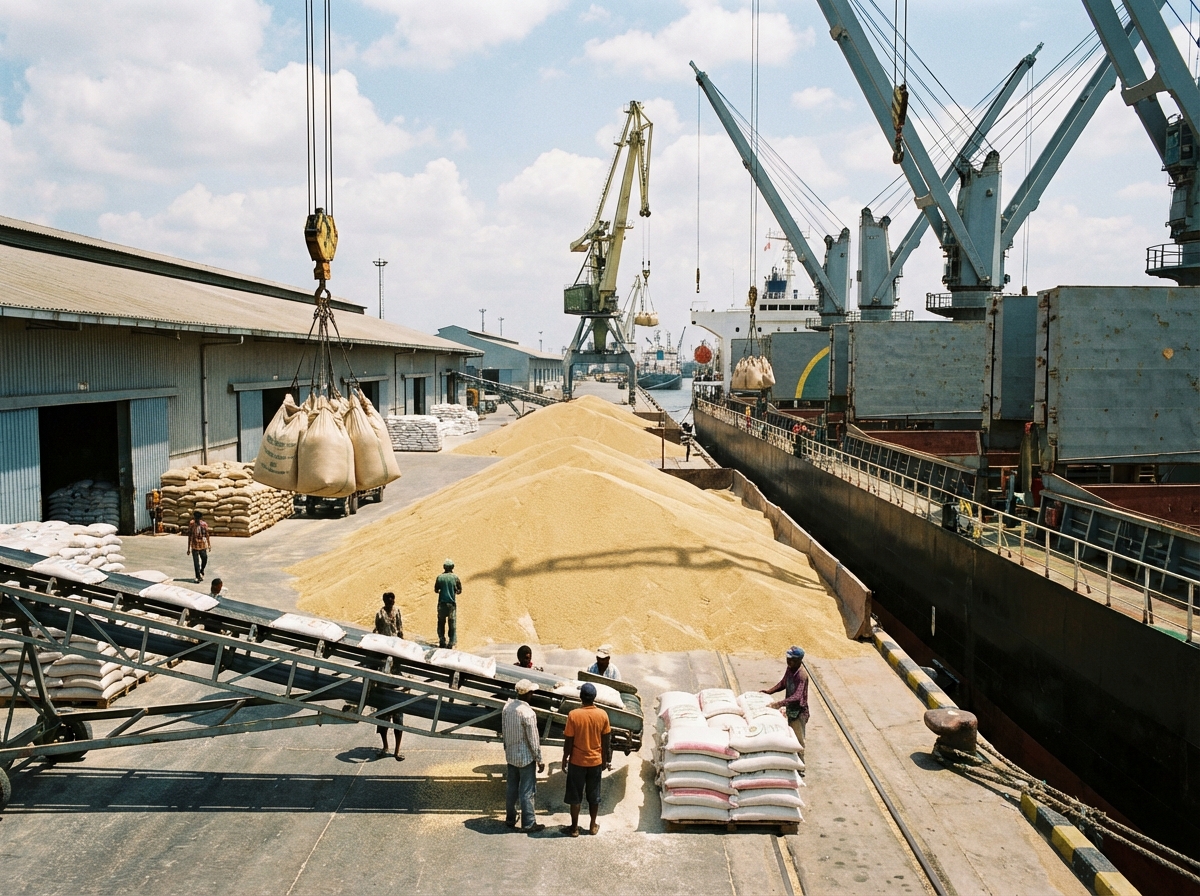
Sourcing Premium Agricultural Commodities: Wheat, Sugar, and Rice at Scale
Introduction: Global Food Security and Agricultural Trade
Agricultural commodities form the foundation of global food security, feeding billions of people while supporting industries ranging from food processing to pharmaceuticals. As populations grow, dietary patterns evolve, and climate challenges intensify, the strategic sourcing of premium agricultural products has become increasingly critical for food manufacturers, distributors, governments, and humanitarian organizations.
This comprehensive guide examines the procurement of three essential agricultural commodities—wheat flour, refined cane sugar, and rice—exploring quality specifications, certification requirements, supply chain considerations, and best practices for large-scale buyers seeking reliable, certified sources in 2026.
Premium Wheat Flour: Quality Standards and Applications
Wheat flour is one of the most versatile and widely traded agricultural commodities, serving as the primary ingredient in bread, pasta, baked goods, and countless processed foods. High-grade wheat flour meets exacting specifications that ensure consistent baking performance and nutritional value.
Understanding Wheat Flour Grades
Wheat flour is classified by protein content, ash content, and milling process. Different applications require specific flour characteristics:
- Bread Flour (High Protein): 12-14% protein content, strong gluten development for yeast-leavened products
- All-Purpose Flour (Medium Protein): 10-12% protein, versatile for various baking applications
- Pastry Flour (Low Protein): 8-10% protein, tender crumb for cakes and pastries
- Durum Wheat Flour: 13-15% protein, specifically for pasta production with superior texture
Beyond protein content, premium wheat flour is characterized by consistent particle size distribution, minimal ash content (indicating refined milling), appropriate moisture levels (typically 13-14%), and freedom from contaminants including insects, foreign matter, and mycotoxins.
Quality Parameters for High-Grade Wheat Flour
Professional buyers evaluate wheat flour based on multiple parameters:
- Protein Content: Measured as percentage by weight, determines gluten strength and baking characteristics
- Ash Content: Lower ash (0.4-0.6%) indicates refined white flour; higher ash indicates whole grain content
- Moisture Content: Optimal 13-14%; higher moisture risks mold growth and reduces shelf life
- Falling Number: 300+ seconds indicates sound wheat without sprout damage; affects enzyme activity
- Gluten Quality: Wet gluten content and gluten index measure dough strength and extensibility
- Color and Brightness: Measured by Minolta colorimeter; whiter flour preferred for most applications
- Microbial Load: Total plate count, E. coli, Salmonella must meet food safety standards
Reputable suppliers provide detailed certificates of analysis showing test results for all parameters. Consistency across batches is as important as meeting specifications; flour that varies between shipments creates production challenges for food manufacturers.
Applications and Market Demand
High-grade wheat flour serves diverse industries with specific requirements:
- Industrial Bakeries: Require consistent protein content and baking performance for automated production
- Pasta Manufacturers: Demand high-protein durum flour with specific color and cooking characteristics
- Food Service Distributors: Need versatile all-purpose flour with reliable shelf life and handling properties
- Retail Packaging: Seek premium quality flour meeting consumer expectations for home baking
- Export Markets: Require specific certifications (GACC, HALAL, KOSHER) based on destination country
Global wheat flour trade exceeds 50 million metric tons annually, with major exporters including the United States, Canada, European Union, Australia, and Argentina. Buyers increasingly prefer suppliers who can provide traceability to specific wheat origins and milling facilities, supporting food safety and sustainability claims.
Refined Cane Sugar (ICUMSA 45): The Global Standard
Refined cane sugar, particularly ICUMSA 45 grade, represents the highest quality white sugar available in international trade. The ICUMSA (International Commission for Uniform Methods of Sugar Analysis) color scale provides an objective measure of sugar refinement, with ICUMSA 45 indicating highly refined, sparkling white sugar with minimal color.
ICUMSA 45 Specifications
ICUMSA 45 refined cane sugar meets rigorous specifications:
- Color: Maximum 45 ICUMSA units, indicating brilliant white appearance
- Polarization: Minimum 99.80°, measuring pure sucrose content
- Moisture: Maximum 0.04%, ensuring free-flowing crystals and extended shelf life
- Ash Content: Maximum 0.04%, indicating minimal mineral impurities
- Granulation: Medium to fine crystals (MA 0.6-0.9mm) providing optimal dissolution
- Reducing Sugars: Maximum 0.05%, ensuring stability and preventing color development
- Sulfur Dioxide: Maximum 20 mg/kg, meeting food safety limits
- Microbiological Standards: Free from pathogenic microorganisms, meeting international food safety requirements
These tight specifications ensure ICUMSA 45 sugar performs consistently in demanding applications including beverages, confectionery, baking, and pharmaceutical manufacturing. The brilliant white color is particularly valued in products where sugar visibility matters, such as premium beverages and white chocolate.
Raw Sugar vs. Refined Sugar
Understanding the difference between raw and refined sugar helps buyers select appropriate products:
- Raw Sugar (ICUMSA 600-1200): Light brown color, retains some molasses, typically refined further at destination
- White Refined Sugar (ICUMSA 100-150): Standard refined sugar for most applications, good quality at lower cost than ICUMSA 45
- Premium White Sugar (ICUMSA 45): Highest refinement, sparkling white, premium pricing, demanded by quality-conscious buyers
ICUMSA 45 commands premium pricing but offers distinct advantages: superior appearance in transparent packaging, no color contribution to final products, excellent dissolution characteristics, and extended shelf stability. For manufacturers positioning products as premium quality, the ICUMSA 45 specification supports brand positioning.
Global Sugar Market Dynamics
The global sugar market trades approximately 180 million metric tons annually, with Brazil, India, Thailand, and the European Union as major producers. Sugar prices fluctuate based on crop yields, weather patterns, energy costs (sugar and ethanol compete for cane), and government policies including subsidies and import tariffs.
Key procurement considerations include:
- Origin Verification: Authenticate Brazilian, Thai, or other claimed origins to ensure quality and duty rates
- Packaging Options: Bulk containers (big bags 1000-1200kg), 50kg bags, or smaller retail packaging
- Contract Terms: Fixed price vs. market-linked pricing, seasonal availability considerations
- Certification Requirements: GACC for Chinese markets, HALAL and KOSHER for relevant consumer segments
Reliable sugar suppliers maintain relationships with multiple refineries, ensuring consistent supply even when individual facilities undergo maintenance or face production challenges. This supply chain redundancy protects buyers from disruptions.
Premium Rice: Varieties, Grades, and Quality Standards
Rice feeds more than half the world’s population and represents a critical food security commodity. The international rice market encompasses numerous varieties, each with distinct characteristics, applications, and quality grades.
Major Rice Varieties in International Trade
Understanding rice varieties helps buyers select appropriate products for their markets:
- Long-Grain Rice: Slender grains (6-7mm), remains separate when cooked, preferred in many Western and Middle Eastern markets
- Basmati Rice: Premium long-grain variety, distinctive aroma, elongates when cooked, commanded premium prices
- Jasmine Rice: Aromatic long-grain from Thailand, slightly sticky texture, popular in Asian cuisine
- Medium-Grain Rice: Shorter and plumper than long-grain, slightly sticky, versatile applications
- Short-Grain Rice: Round grains, very sticky when cooked, preferred in East Asian markets
- Parboiled Rice: Partially boiled in husk, firmer texture, higher nutritional retention, popular in industrial food service
Each variety has distinct cooking characteristics, nutritional profiles, and cultural associations. Buyers must match rice variety to their target market’s preferences and intended applications.
Rice Quality Grading
Rice quality is graded based on broken grain percentage, which significantly affects price and application suitability:
- Premium/Super Grade (5% broken): Highest quality, whole grains, premium pricing, retail and restaurant trade
- Grade A (10-15% broken): Excellent quality, suitable for most retail and food service applications
- Grade B (25% broken): Good quality, appropriate for general consumption and industrial use
- Grade C (35-50% broken): Significant broken grains, lower cost, industrial food processing and animal feed
Additional quality parameters include:
- Moisture Content: Maximum 14% for safe storage; higher moisture risks spoilage
- Chalky Grains: Maximum 6%; chalky grains break easily during milling and cooking
- Damaged/Discolored: Maximum 2%; affects appearance and marketability
- Foreign Matter: Maximum 0.5%; includes husks, stones, other contaminants
- Red/Brown Grains: Maximum 2%; unmilled or partially milled grains affect appearance
Premium rice suppliers provide detailed specifications showing these parameters for each shipment. Consistency matters—buyers establishing reliable supply relationships demand predictable quality that matches samples and specifications across multiple shipments.
Certifications That Matter: GACC, HALAL, and KOSHER
In today’s global food trade, certifications have evolved from optional differentiators to mandatory requirements for accessing key markets. Understanding certification requirements and ensuring suppliers maintain current, valid certifications is essential for smooth international trade.
GACC Certification for Agricultural Exports
The General Administration of Customs of China (GACC) maintains a registry of approved foreign food production facilities authorized to export to China. Given China’s massive food import market—exceeding $100 billion annually—GACC certification opens significant opportunities.
GACC certification involves:
- Facility registration with specific production approval for designated products
- On-site inspections by Chinese officials or authorized third parties
- Food safety management system verification (HACCP or equivalent)
- Quality control documentation and traceability systems
- Ongoing compliance monitoring and periodic recertification
For wheat flour, sugar, and rice destined for Chinese markets, GACC certification is mandatory. Buyers should verify supplier registration numbers against official GACC databases and confirm certifications remain current. Working with non-certified suppliers for Chinese exports guarantees customs rejection and financial losses.
HALAL Certification: Beyond Religious Compliance
HALAL certification ensures products meet Islamic dietary laws, covering ingredients, processing methods, equipment, and storage. While primarily serving Muslim consumers, HALAL certification increasingly appeals to broader markets as an indicator of cleanliness, ethical sourcing, and quality control.
Key HALAL requirements for agricultural commodities:
- No contamination with prohibited substances (pork, alcohol, certain animal-derived ingredients)
- Dedicated processing lines or thorough cleaning protocols between HALAL and non-HALAL production
- Ingredient verification ensuring all inputs meet HALAL standards
- Traceability from farm to final product
- Certification by recognized Islamic authorities (varies by destination market)
For wheat flour, sugar, and rice, HALAL compliance primarily focuses on preventing cross-contamination and ensuring no prohibited additives or processing aids. Markets including Middle East, Southeast Asia, and increasingly Western countries with significant Muslim populations require or strongly prefer HALAL certification.
KOSHER Certification: Quality Assurance Signal
KOSHER certification verifies compliance with Jewish dietary laws, overseen by rabbinical authorities. Beyond serving Jewish consumers, KOSHER certification signals rigorous quality control and cleanliness, making it valuable across diverse markets.
KOSHER requirements for agricultural commodities:
- Ingredient verification ensuring compliance with dietary laws
- Equipment cleaning and kashering (ritual preparation) between production runs if shared with non-KOSHER products
- Rabbinical supervision during production periods
- Documentation and labeling meeting KOSHER authority standards
- Annual recertification and inspection
For basic agricultural commodities like wheat flour, sugar, and rice, KOSHER certification is relatively straightforward as these are naturally KOSHER products. The certification primarily ensures no contamination with non-KOSHER substances and proper production controls. Many food manufacturers prefer KOSHER-certified ingredients regardless of their target market, viewing it as a quality differentiator.
Supply Chain Transparency and Traceability
Modern food buyers increasingly demand full supply chain visibility, driven by food safety concerns, sustainability commitments, and regulatory requirements. Traceability systems that track products from farm to warehouse have become essential components of agricultural commodity procurement.
Farm-to-Port Documentation
Comprehensive traceability includes:
- Origin Verification: Documentation identifying farms or growing regions, including coordinates when available
- Processing Records: Mill or refinery identification, processing dates, batch numbers
- Quality Testing: Laboratory reports with sample dates, testing facility details, results for all parameters
- Storage and Handling: Warehouse records showing storage conditions, inventory management, loading documentation
- Transportation: Shipping documents, container seals, temperature logs if applicable
- Chain of Custody: Clear documentation of each handoff from producer to final delivery
This documentation serves multiple purposes: enabling rapid response to food safety incidents, supporting sustainability claims, meeting import country requirements, and providing assurance to end customers. Suppliers who maintain comprehensive traceability systems demonstrate operational sophistication and commitment to transparency.
Managing Seasonal Fluctuations and Market Volatility
Agricultural commodities are inherently subject to seasonal production cycles, weather-related disruptions, and price volatility. Successful procurement strategies account for these dynamics through careful planning, flexible sourcing, and strategic inventory management.
Understanding Production Cycles
Each commodity has distinct harvest seasons varying by growing region. Wheat harvests in the Northern Hemisphere typically occur May-August, while Southern Hemisphere harvests occur November-January. Sugar cane processing runs during specific crushing seasons. Rice production involves two or three crops annually in tropical regions but single harvests in temperate zones.
Understanding these cycles helps buyers time purchases to capture fresh harvest quality and more favorable pricing. Alternatively, buying during off-season requires accepting higher prices but may be necessary to maintain continuous supply.
Multi-Origin Sourcing Strategy
Relying on single-origin sourcing creates vulnerability to regional production problems. Sophisticated buyers establish relationships with suppliers in multiple growing regions, enabling supply continuity even when one region faces challenges.
For example, wheat flour sourcing might include:
- North American hard red wheat (high protein for bread flour)
- European wheat (balanced characteristics for general purpose)
- Australian wheat (backup source with counter-seasonal harvest)
This diversification provides insurance against regional disruptions while potentially accessing competitive pricing across different markets. The key is working with trading partners who maintain relationships across multiple origins.
Conclusion: Building Reliable Agricultural Supply Chains
Sourcing premium agricultural commodities requires attention to quality specifications, certification requirements, supply chain transparency, and market dynamics. As food safety standards tighten, sustainability concerns grow, and global supply chains face ongoing challenges, the value of experienced sourcing partners continues to increase.
Whether procuring wheat flour for industrial bakeries, refined cane sugar for beverage manufacturing, or premium rice for retail distribution, success depends on verified suppliers, comprehensive certifications, robust quality control, and transparent documentation throughout the supply chain.
The agricultural commodities market offers opportunities for buyers who approach procurement strategically, partnering with suppliers who demonstrate consistent performance, maintain critical certifications, and provide the transparency demanded by modern food businesses.
Connect with Our Agricultural Experts
Kurt Global Sourcing provides access to premium agricultural commodities from certified producers worldwide. Our comprehensive services ensure food security and ethical sourcing for large-scale industrial buyers.
Our agricultural sourcing capabilities include:
- High-grade wheat flour from certified mills with consistent protein content and baking properties
- Refined cane sugar (ICUMSA 45) from verified sources meeting international standards
- Premium rice varieties in multiple grades from established growing regions
- GACC, HALAL, and KOSHER certifications ensuring market access
- Complete supply chain transparency from farm to your warehouse
- Multi-origin sourcing strategies for supply security
- Flexible contract terms aligned with your procurement strategy
Contact our agricultural commodity team



Related Posts

Building Resilient Supply Chains: Strategic Commodity Sourcing for 2026 and Beyond
Edible Oils Distribution: Palm, Sunflower, and Soya Bean Oil for International Markets