


Building Resilient Supply Chains: Strategic Commodity Sourcing for 2026 and Beyond
Introduction: Lessons from 2020-2025
The period from 2020 to 2025 fundamentally transformed global supply chain management. The COVID-19 pandemic, geopolitical tensions, extreme weather events, logistics bottlenecks, and shifting trade policies exposed vulnerabilities in supply chains optimized purely for cost efficiency. Companies discovered that the lowest-cost supplier might not be the most reliable partner when disruptions strike.
As we advance through 2026, supply chain resilience has evolved from optional optimization to competitive necessity. Organizations that built robust, diversified sourcing strategies during recent disruptions have demonstrated superior operational continuity, maintained customer relationships, and captured market share from less-prepared competitors. This guide explores strategic approaches to commodity sourcing that balance cost efficiency with resilience, positioning organizations for success in an increasingly uncertain global environment.
Supply Chain Disruptions: Understanding the Landscape
Modern supply chains face multiple categories of disruption risk, each requiring specific mitigation strategies. Understanding these risk types enables targeted resilience investments rather than generalized contingency planning.
Geopolitical and Trade Policy Risks
International tensions, trade disputes, sanctions, and policy changes create supply chain uncertainty. Recent years witnessed trade wars affecting commodity flows, sanctions disrupting energy markets, export controls on strategic materials, regional conflicts impacting production and transportation, and evolving regulatory frameworks requiring adaptation.
These geopolitical factors can materialize rapidly and persist for extended periods. Supply chains concentrated in single countries or regions face significant exposure. Diversification across multiple geographies provides insulation against country-specific disruptions while maintaining access to global markets.
Climate and Natural Disaster Risks
Climate variability and extreme weather events increasingly impact commodity production and logistics. Agricultural commodities face drought, flooding, temperature extremes affecting crop yields. Energy infrastructure experiences hurricane, typhoon, and storm damage. Transportation networks deal with port closures, shipping route disruptions, and infrastructure damage. Industrial facilities encounter operational interruptions from weather events.
Climate risks are generally predictable by region, enabling strategic sourcing decisions that account for seasonal patterns and long-term climate trends. Multi-region sourcing from areas with different climate profiles reduces simultaneous production failures.
Logistics and Infrastructure Constraints
Transportation capacity, port congestion, equipment shortages, and infrastructure limitations create bottlenecks that cascade through supply chains. The post-pandemic period highlighted how global logistics networks can become overwhelmed, with container shortages, port congestion causing weeks of delay, driver shortages affecting ground transportation, and freight rate volatility impacting procurement economics.
Logistics resilience requires maintaining relationships with multiple transportation providers, understanding alternative routing options, building inventory buffers during peak congestion periods, and working with sourcing partners who manage logistics proactively.
Supplier and Production Risks
Individual supplier problems—financial distress, quality failures, labor disputes, operational incidents—can disrupt supply even when broader markets remain stable. Concentration with single suppliers creates vulnerability regardless of the supplier’s apparent strength.
Supplier risk management involves financial due diligence verifying supplier stability, quality system audits ensuring consistent performance, backup supplier relationships enabling rapid switching if needed, and ongoing monitoring detecting problems before they cause disruptions.
Diversification Strategy: Multi-Origin Sourcing
Geographic diversification represents the cornerstone of supply chain resilience. Sourcing commodities from multiple regions protects against localized disruptions while maintaining competitive options across different market conditions.
Implementing Regional Diversification
Effective diversification strategies include:
- Primary and Secondary Sources: Maintain primary suppliers for base load requirements plus qualified secondary sources ready to activate
- Geographic Distribution: Source from different continents or regions with distinct risk profiles
- Counter-Seasonal Options: For agricultural commodities, leverage Northern and Southern Hemisphere harvest timing
- Portfolio Approach: Allocate procurement across multiple sources rather than single-source concentration
- Relationship Maintenance: Conduct regular transactions with backup suppliers to maintain relationships and capability
Diversification involves trade-offs. Managing multiple supplier relationships requires administrative effort and may sacrifice volume discounts available through concentration. However, the risk mitigation value typically exceeds incremental costs, particularly for critical materials where supply disruption threatens operations.
Case Example: Agricultural Commodity Diversification
Consider a food manufacturer requiring consistent supplies of wheat flour. A single-source strategy might involve exclusive reliance on US wheat. A diversified approach establishes primary sourcing from US wheat suppliers (60-70% of volume), secondary sources from Canadian wheat producers (20-30% of volume), and tertiary relationships with European or Australian suppliers (available for emergency activation).
This structure provides protection against regional crop failures, transportation disruptions affecting specific origins, trade policy changes impacting particular countries, and supplier-specific operational problems. While managing three geographic sources involves complexity, the operational continuity insurance justifies the investment.
Technology and Visibility: Digital Supply Chain Tools
Modern technology enables supply chain visibility and responsiveness that were impossible even five years ago. Organizations investing in digital tools gain significant advantages in detecting problems early, coordinating responses quickly, optimizing procurement decisions with data, and communicating effectively with stakeholders.
Supply Chain Visibility Platforms
Visibility solutions provide real-time insights:
- Shipment Tracking: Real-time location and status of in-transit commodities
- Supplier Performance: Metrics on delivery reliability, quality compliance, documentation accuracy
- Inventory Visibility: Current stock levels across multiple locations and in-transit inventory
- Risk Alerts: Automated notifications of potential disruptions (weather, port delays, supplier issues)
- Documentation Management: Digital repository of certificates, test reports, customs documents
These platforms transform reactive crisis management into proactive risk mitigation. When port congestion develops, visibility systems alert procurement teams days or weeks before scheduled arrivals, enabling rerouting decisions or expedited shipments from alternative suppliers. When supplier quality metrics decline, automated alerts trigger investigations before defective materials reach production.
Predictive Analytics and AI
Advanced analytics and artificial intelligence tools are transforming procurement decision-making. Predictive models analyze historical patterns, market data, and external factors to forecast price movements, anticipate supply shortages, identify optimal procurement timing, and recommend sourcing strategies.
Organizations leveraging these tools gain competitive advantages through better-timed purchases, early warning of market shifts, optimized inventory levels, and reduced emergency premium purchases. As AI capabilities advance, the gap between data-driven and intuition-based procurement widens, making technology adoption increasingly critical.
Blockchain and Digital Documentation
Blockchain technology enables secure, transparent documentation tracking throughout supply chains. Digital Letters of Intent, electronic Certificates of Inspection, blockchain-based quality certificates, and smart contracts automating payment releases are emerging applications.
While blockchain adoption in commodity trading remains early-stage, pilot programs demonstrate significant potential for reducing documentation fraud, accelerating transaction settlement, improving traceability, and lowering administrative costs. Forward-thinking organizations are exploring these technologies to gain first-mover advantages.
Building Strategic Supplier Partnerships
Transactional supplier relationships focused purely on price optimization provide limited resilience during disruptions. Strategic partnerships characterized by mutual commitment, information sharing, and collaborative problem-solving deliver superior performance when challenges emerge.
Characteristics of Strategic Partnerships
Effective strategic relationships demonstrate:
- Long-Term Orientation: Multi-year relationships rather than transaction-by-transaction sourcing
- Information Transparency: Sharing forecasts, challenges, and market intelligence mutually
- Joint Planning: Collaborative approach to capacity planning, quality improvement, logistics optimization
- Fair Value Exchange: Pricing that provides reasonable margins to both parties rather than extractive negotiations
- Problem-Solving Mindset: Working together to resolve issues rather than adversarial positioning
- Performance Accountability: Clear metrics and expectations with regular reviews
These partnerships prove their value during disruptions. Strategic suppliers prioritize committed partners for scarce supplies, provide early warning of emerging problems, offer flexible solutions during buyer challenges, and invest in capabilities supporting long-term mutual success.
Selecting Partners for Strategic Relationships
Not every supplier relationship warrants strategic partnership investment. Focus strategic partnerships on critical commodities where supply disruption severely impacts operations, commodities representing significant procurement spend, categories with limited alternative sources, and suppliers demonstrating alignment with your organization’s values and operational standards.
Partner selection criteria should emphasize financial stability ensuring long-term viability, operational excellence demonstrated through consistent performance, cultural alignment supporting collaboration, innovation capability providing continuous improvement, and commitment to partnership evidenced through actions and investments.
Sustainability and Ethical Sourcing Practices
Supply chain resilience increasingly intersects with sustainability and ethical sourcing. Companies discovered that suppliers engaged in unsustainable practices or poor labor conditions face regulatory risks, reputational problems, and operational disruptions that cascade to buyers. Conversely, suppliers demonstrating strong environmental and social performance typically exhibit operational excellence contributing to reliability.
Environmental Sustainability Integration
Sustainable sourcing practices include:
- Certified Sustainable Sources: RSPO palm oil, sustainable forestry, certified organic agricultural products
- Carbon Footprint Consideration: Evaluating transportation distances and supplier energy efficiency
- Water and Resource Management: Assessing supplier practices regarding water usage, waste management, resource efficiency
- Circular Economy Approaches: Prioritizing suppliers with recycling programs, waste reduction initiatives
- Climate Risk Assessment: Understanding supplier exposure to climate-related disruptions
These considerations provide resilience benefits beyond environmental impact. Suppliers managing resources efficiently demonstrate operational discipline. Certified sustainable operations typically maintain strong regulatory compliance. Climate-adapted production reduces disruption risks from extreme weather.
Social Responsibility and Labor Practices
Ethical sourcing encompasses fair labor practices, safe working conditions, absence of child or forced labor, respect for worker rights and collective bargaining, and fair compensation enabling decent living standards.
Buyers increasingly face regulatory requirements, customer expectations, and investor pressure regarding supply chain labor practices. Beyond compliance motivations, ethical suppliers demonstrate operational stability—facilities with satisfied, fairly compensated workforces experience less turnover, fewer labor disputes, and higher quality output than those exploiting workers.
Inventory Management and Buffer Strategies
Strategic inventory management balances working capital efficiency with resilience requirements. Just-in-time inventory strategies optimize cash flow but leave organizations vulnerable to supply disruptions. Conversely, excessive inventory ties up capital and risks obsolescence. Optimal approaches dynamically adjust inventory levels based on risk assessments and market conditions.
Dynamic Inventory Strategies
Sophisticated inventory management includes:
- Risk-Based Safety Stock: Higher buffers for critical materials or those with supply uncertainty
- Seasonal Accumulation: Building inventory during harvest seasons or periods of supply abundance
- Strategic Purchasing: Opportunistic buying during price dips or favorable market conditions
- Distributed Storage: Multiple warehouse locations reducing dependency on single facilities
- Supplier-Managed Inventory: Arrangements where suppliers maintain consignment stock reducing buyer carrying costs
The optimal inventory strategy varies by commodity characteristics (perishability, price volatility, storage costs), company financial position and working capital availability, risk tolerance and operational priorities, and market conditions and supply reliability.
How Kurt Global Sourcing Ensures Supply Chain Continuity
Kurt Global Sourcing has built resilience into our operational model through diversified supplier networks spanning multiple continents, long-standing relationships with certified producers providing reliable access, comprehensive compliance programs ensuring regulatory conformity, advanced logistics management coordinating complex international shipments, and market intelligence services monitoring risks and opportunities.
Our resilience approach includes:
- Multi-Origin Sourcing: Access to suppliers in Asia-Pacific, Americas, Europe, Middle East, and Africa
- Qualified Backup Suppliers: Pre-vetted alternative sources ready for rapid activation
- Logistics Flexibility: Multiple routing options and transportation mode alternatives
- Risk Monitoring: Proactive tracking of geopolitical, climate, and market risks affecting supply
- Communication Protocols: Rapid response systems for addressing emerging challenges
- Strategic Partnerships: Long-term relationships prioritizing mutual success over transactional dealings
These capabilities enable us to maintain supply continuity for clients even during challenging market conditions, providing the operational stability essential for their business success.
Conclusion: Resilience as Competitive Advantage
Supply chain resilience has evolved from defensive risk management to proactive competitive strategy. Organizations that invested in diversified sourcing, strategic partnerships, technology platforms, and dynamic inventory management during recent disruptions have demonstrated superior performance, maintained customer satisfaction, captured market share, and positioned themselves for sustainable growth.
As global markets continue navigating geopolitical complexity, climate challenges, and technological transformation, resilience investments will increasingly separate industry leaders from followers. The companies thriving in 2026 and beyond are those recognizing that supply chain strength provides strategic advantage as valuable as product innovation or operational efficiency.
Building resilient commodity sourcing requires commitment to geographic diversification, strategic supplier partnerships, technology adoption enabling visibility and agility, sustainable and ethical practices, and dynamic risk management. Organizations making these investments create supply chains that deliver not just cost efficiency but the reliability and adaptability essential for long-term success.
Schedule Supply Chain Assessment
Kurt Global Sourcing offers comprehensive supply chain assessments evaluating your current commodity sourcing strategy and identifying opportunities for enhanced resilience.
Our assessment services include:
- Risk Analysis: Evaluating vulnerabilities in current sourcing approaches
- Diversification Strategy: Identifying alternative sources and multi-origin options
- Supplier Network Review: Assessing current partners and recommending additions
- Cost-Benefit Analysis: Quantifying resilience investments against risk mitigation value
- Implementation Roadmap: Practical steps for building more resilient supply chains
- Ongoing Support: Partnership in executing and managing improved sourcing strategies
Contact our strategic sourcing team.


Related Posts

Edible Oils Distribution: Palm, Sunflower, and Soya Bean Oil for International Markets
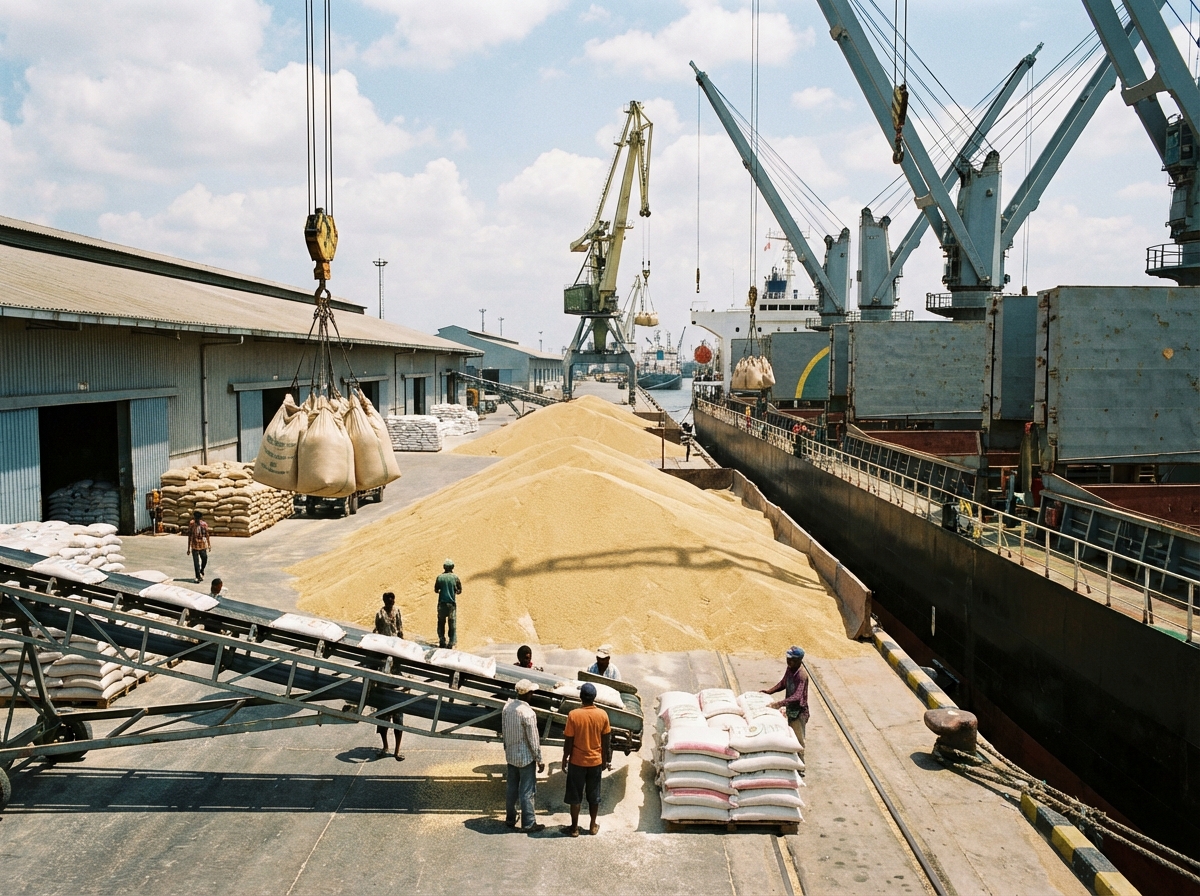
Sourcing Premium Agricultural Commodities: Wheat, Sugar, and Rice at Scale